
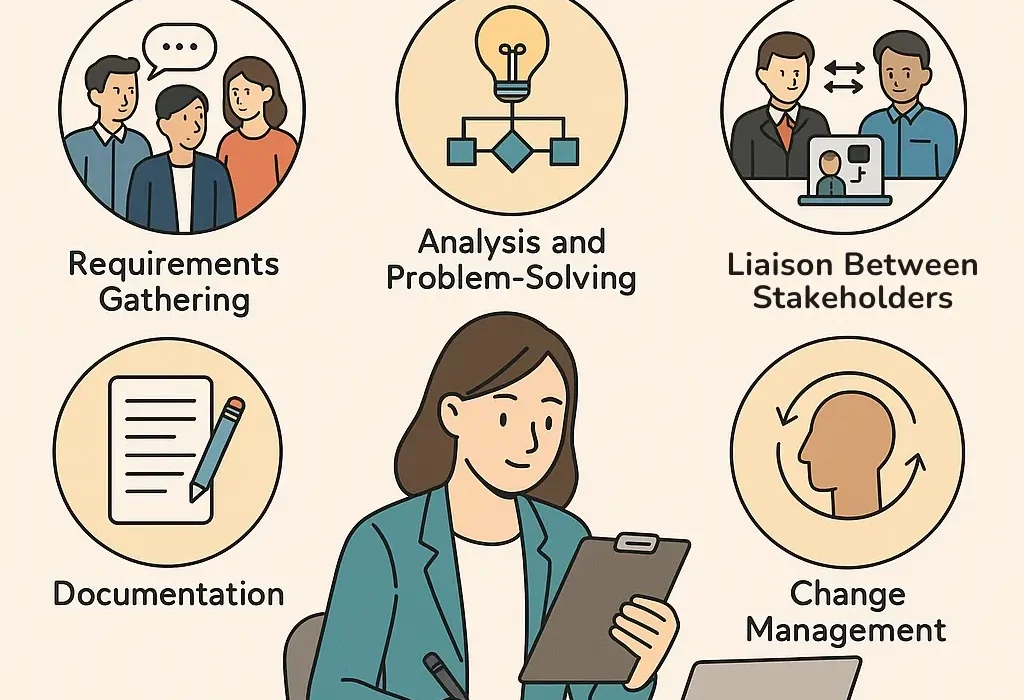
A BRD can either create clarity or create delay and in many organizations it ends up doing both. The problem is rarely the document itself. The real issue is how requirements are gathered, interpreted, and translated into delivery. Too often, teams write down what stakeholders say in meetings instead of capturing what the business actually needs to solve. That gap becomes expensive later, especially when UAT reveals defects that should have been resolved much earlier.
A strong article on this topic should feel honest, practical, and slightly self-critical. It should acknowledge that even experienced professionals sometimes produce requirements that look complete but still miss the operating context. In banking and insurance, the business is rarely simple enough for a one-page requirement to work. There are approval chains, compliance rules, system dependencies, branch-level realities, and customer-facing exceptions. A BRD that ignores those layers may satisfy documentation standards but still fail in implementation.
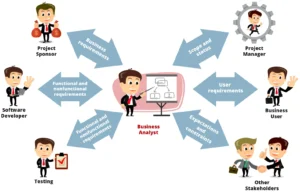
The transformation approach here is about improving the quality of thinking before the document is written. That begins with deeper discovery sessions, asking better questions, and validating how a process works today before designing how it should work tomorrow. It also means involving the right stakeholders early: operations, compliance, technology, training, and frontline users all see different parts of the same problem. User journeys, gap analysis, and acceptance criteria should not be treated as add-ons; they are the backbone of a usable BRD.
Technology and methodology matter too. Tools such as process mapping, user story frameworks, structured BRD and PRD templates, and UAT planning bring discipline to the work. But the real value comes from using them to create alignment, not just documentation. When requirements are tied to business outcomes, defect leakage drops, delivery becomes faster, and teams spend less time revisiting decisions.
The lesson is simple but important: a BRD should reduce ambiguity, not add ceremony. If it cannot help a team make better decisions faster, it is probably too generic, too late, or too far removed from how the business actually runs.