

The transformation approach should be framed as a blend of analytics and operational redesign. SQL-based performance dashboards, call reason tagging, and RCA frameworks can reveal contact patterns that are not visible in routine reporting. Once the data is clear, process changes can be prioritized based on impact rather than assumption. This is where service excellence becomes measurable: by aligning operational improvement with actual customer behavior.
The technology and methodology behind the work are practical rather than flashy. Dashboards, call disposition analysis, escalation tracking, and feedback loops help teams understand where resolution is breaking down. But the real progress comes when leadership stops chasing the metric in isolation and starts fixing the causes behind it.
The outcome in this case was a 20% improvement in FCR, but the more important lesson is that service metrics should drive better diagnosis, not just better scorecards. When teams understand what a metric truly measures — and what it misses — they make better decisions and deliver better experiences.
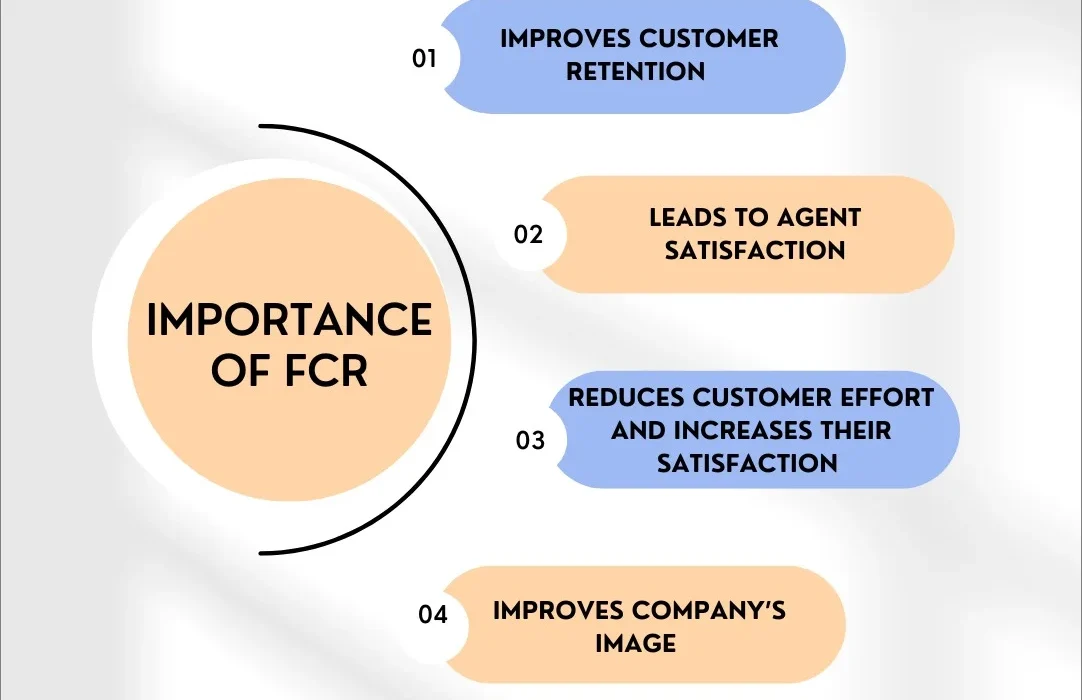
First Call Resolution sounds straightforward, but in practice it can be misunderstood, overused, or even manipulated if teams focus only on the number itself. A high FCR rate does not automatically mean customers are happy, and a low rate does not always mean agents are underperforming. Sometimes the issue lies in policy gaps, system limitations, incomplete knowledge articles, or repeated contact triggers that sit outside the agent’s control.
The deeper value of this topic comes from showing how root cause analysis changes the conversation. Instead of asking, “How do we improve FCR?”, the more useful question is, “Why are customers calling back?” That shift moves the team from symptom management to problem solving. In many service operations, repeat contacts are caused by unclear process design, fragmented handoffs, slow backend responses, or unresolved dependency issues. If those drivers are ignored, the metric may improve only superficially, and the underlying customer experience remains weak.
The transformation approach should be framed as a blend of analytics and operational redesign. SQL-based performance dashboards, call reason tagging, and RCA frameworks can reveal contact patterns that are not visible in routine reporting. Once the data is clear, process changes can be prioritized based on impact rather than assumption. This is where service excellence becomes measurable: by aligning operational improvement with actual customer behavior.
The technology and methodology behind the work are practical rather than flashy. Dashboards, call disposition analysis, escalation tracking, and feedback loops help teams understand where resolution is breaking down. But the real progress comes when leadership stops chasing the metric in isolation and starts fixing the causes behind it.
The outcome in this case was a 20% improvement in FCR, but the more important lesson is that service metrics should drive better diagnosis, not just better scorecards. When teams understand what a metric truly measures — and what it misses — they make better decisions and deliver better experiences.